
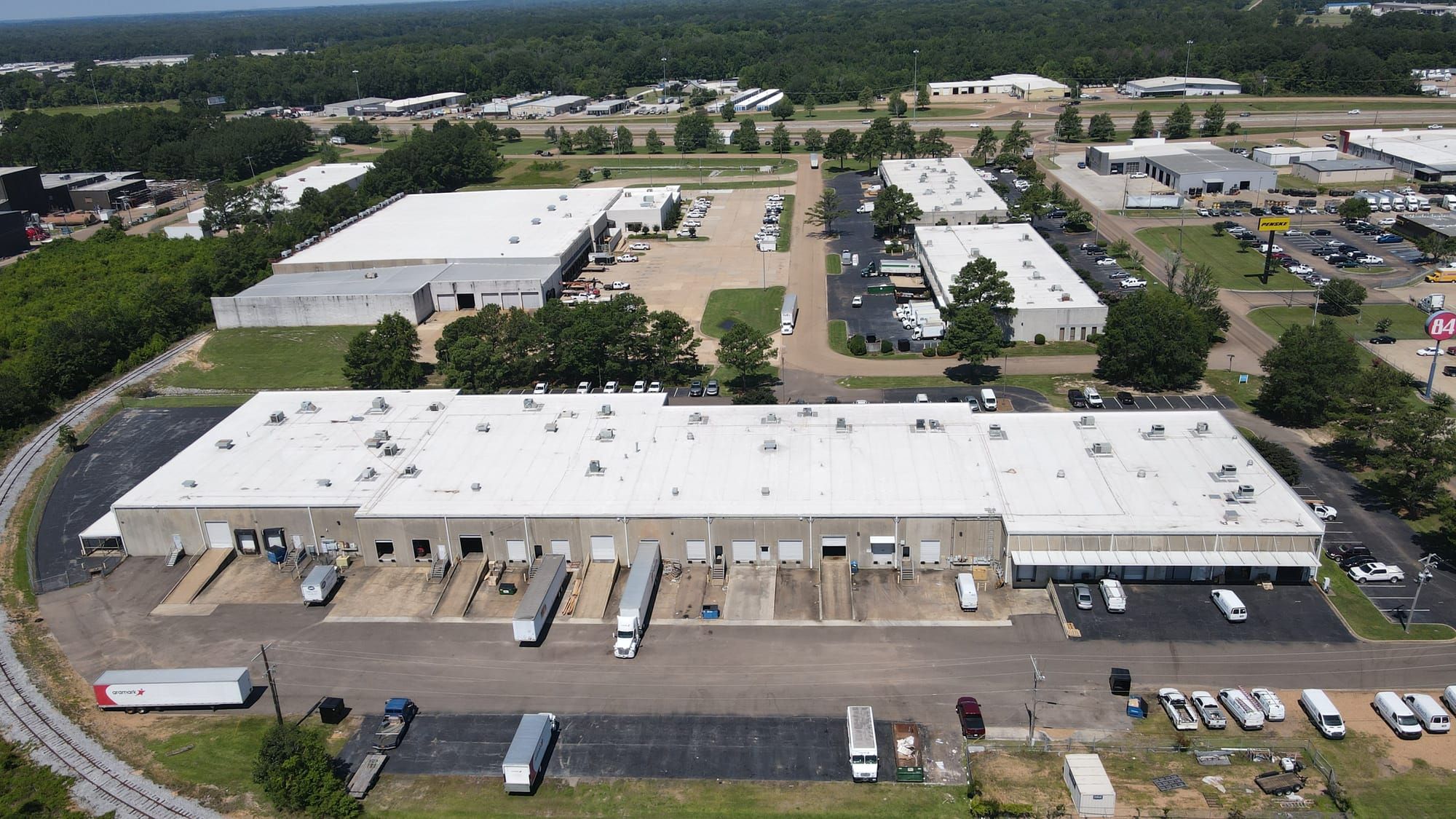
Grant Reaves seems deeply amused by the tenants drawn to his firm's properties. Chicken processing giant Tyson Foods leased one of their units and turned it into a food safety lab. A couple of women, with no megacorp behind them, rent another unit and use it to store, photograph, and package clothes for their e-commerce boutique. The ICEE Company, makers of famed frozen, carbonated convenience store treats, use multiple units across Stoic Equity Partners' buildings. So does Terminix, the famous pest control business. 

Hot tub salespeople and HVAC technicians. Mom and pop shops and multinational logistics companies. They all need the type of flex industrial space Stoic specializes in – 30,000 to 50,000 square foot structures split into rental units that blend offices at the front with warehouses and truck loading bays at the back. That steady, diverse demand, Reaves explains, is just one of the factors that make Stoic's strategy for acquiring and rehabbing these properties so profitable. (Between 2021 and mid-2026, they've completed 28 deals, covering $170 million in assets.) 

But for all his current enthusiasm for this often forgotten asset class, Reaves admits that it's a world away from the big, conventional projects, like hotel (re)developments, he gravitated towards early in his real estate career. A series of shocks and setbacks, however, forced him to reevaluate his approach. Pivoting through upheaval alongside his Stoic co-founder, Jeremy Friedman, he gradually developed a set of values that led him to his "class B industrial" niche: 

Pragmatism. Humility. Stoicism. 

Grant Reaves. All images courtesy of Stoic Equity Partners.

In retrospect, Reaves's entire career has been one big, pragmatic pivot.

It all started in 2013, when he dropped out of college. "I was not doing well there," he tells GPLetters. "My parents were like, 'It's time for you to come home.' And the school was like, 'Okay, we're happy to see you go.'" 

Coming from an entrepreneurial family, he'd grown up planning to go into the business world as well. But without a college degree, he knew he'd have a hard time getting his foot in the door. The best path he could envision was to find some sort of entry-level sales job and work his way up from there. He just wasn't sure what sort of sales role would be best. While mulling over his options, he found a gig doing maintenance work for a homebuilder in southern Alabama, near his parents' home. The builder's wife, a residential real estate agent who took an interest in his conundrum, suggested he ought to try selling houses too. Well, he figured, it was worth a shot.